Preparing your home for a considered sale
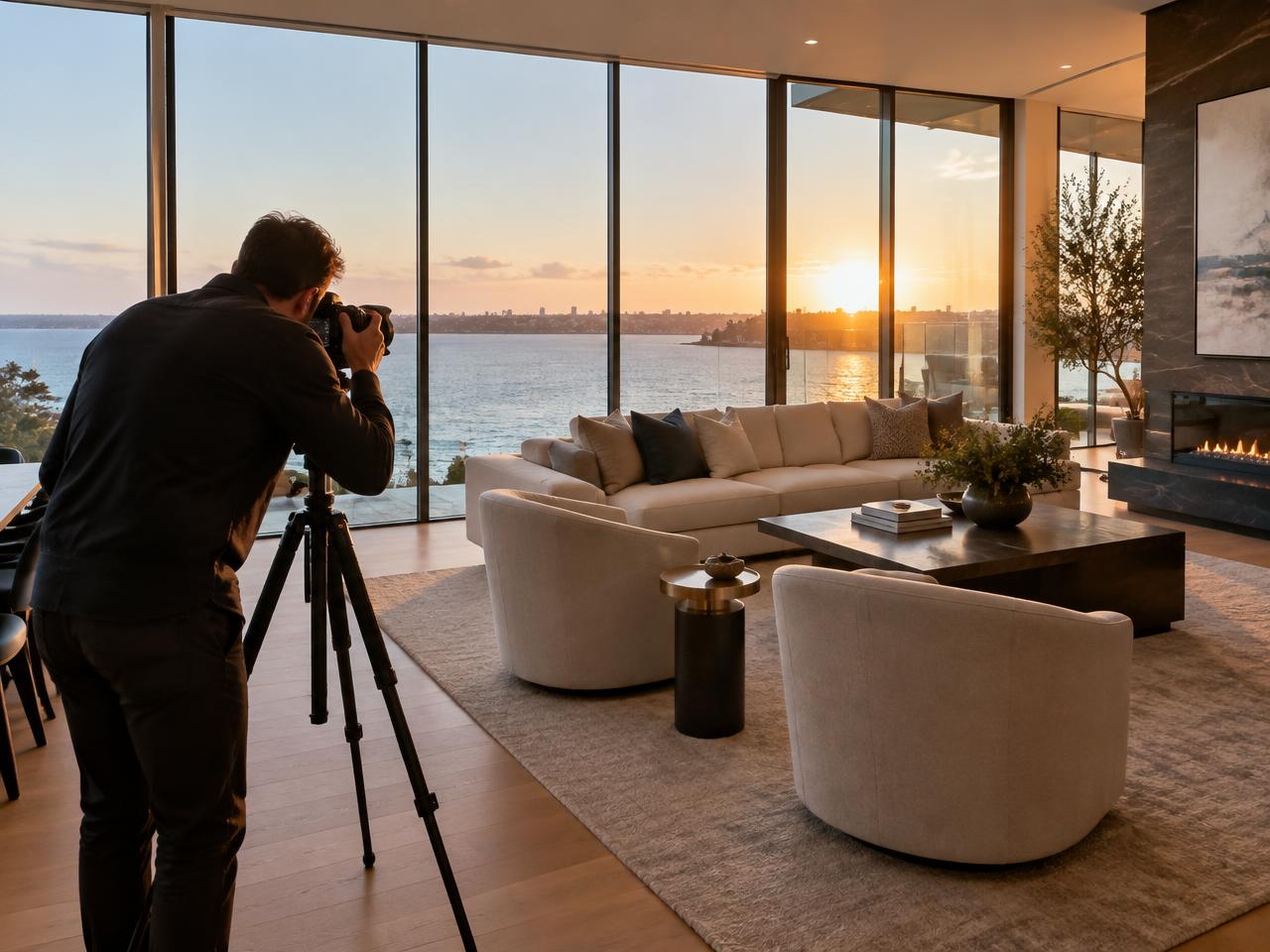
Illustrative South Florida imagery; not evidence of a listing, transaction or property condition.
The short answer
Prepare the home and its evidence together: resolve appropriate maintenance, make the rooms legible, organize records, then schedule photography. A large renovation is not automatically the right first step.
Buyers form impressions long before they walk through the door. Preparation is about making sure that first impression — online and in person — reflects the home at its best.
Start with an honest walkthrough
Walk the property as a buyer would. Note deferred maintenance, worn finishes and anything that raises questions. Small repairs made before launch are usually easier than negotiating them later.
Edit, then style
Remove personal items and reduce furnishings so rooms read clearly. Where useful, professional styling can help each space communicate its purpose.
Gather documentation
Permits, warranties, recent system service, surveys and insurance information help buyers move forward with confidence and can reduce friction during due diligence.
Plan the visual story
Photography, video and floor plans should be scheduled once the home is fully ready. Light, season and time of day all matter — plan them deliberately.
Choose work by purpose, not by fashion
Separate necessary repairs from presentation choices and elective renovations. A service issue needs a qualified assessment; a crowded room may need editing rather than construction. Compare the scope, cost and time of each proposed change with the property's positioning. There is no universal improvement budget or guaranteed return. Before committing, decide what buyer question the work is intended to answer.
Keep the presentation consistent with the property
A visual plan should reveal arrival, circulation, proportions and the relationship between indoor and outdoor spaces. Photograph the home after the agreed work is complete, and ensure floor plans and captions describe what is actually available. A photograph is not evidence of a permit, ownership right or system condition; those questions belong in the supporting file. Review the existing marketing portfolio for presentation examples, not promises of a price or sales timetable.
Before you decide
- Separate relevant closed-sale evidence from competing asking prices and document property-specific differences.
- Identify necessary repairs, presentation work and unresolved documentation before scheduling photography.
- Gather available permits, surveys, warranties, maintenance records and association information.
- Compare offer price with financing, contingencies, deposits, possession and closing timing.
- Request a transaction-specific estimated net sheet; do not treat the contract price as net proceeds.
Use these questions with the professionals handling your property. General guidance is not a valuation, inspection, legal opinion or guarantee.
Continue reading
Your next step
Consider your property's preparation, positioning and next move together.